Why Your Acne Keeps Coming Back (And How to Actually Stop It)
What's really causing your breakouts and the routine that works
Breakouts, pimples, whiteheads and blackheads, acne scars—if you're dealing with any of this, you're not alone. And there are simple, real ways to manage acne and stop it from coming back.
This guide explains what causes acne, how to treat it, and which products actually help with acne-prone skin.
What Is Acne?
Acne happens when your hair follicles and pores get blocked with oil, dead skin cells, and bacteria. This causes:
- Pimples
- Blackheads and whiteheads (also called comedones)
- Red, swollen bumps
- Acne scars and dark marks after breakouts
Acne can show up on your face, chest, back acne, or shoulders (body acne). It can affect teens, people with adult acne, and even happen as baby acne in newborns.
What Causes Acne in Pakistan?
A few things can make acne worse here specifically:
- Heat and humidity — more sweat and oil on the skin
- Pollution and dust — can clog pores during the day
- Hard water — may dry out or irritate skin in some cities
- Hormones — common in teens and with adult acne, including during periods and during pregnancy
- Wrong products — heavy creams, harsh soaps, some makeup, and certain hair care products can make it worse, not better
- Habits that can worsen acne — touching your face, pimple popping, and not cleaning phone screens, pillowcases, or sports equipment after workouts
How to Remove Acne: Step by Step
You don't need 10 products. You need the right 3, used the right way.
1. Use a Face Wash Made for Acne
A good face wash for acne should clean your pores without drying out your skin. Look for gentle exfoliating ingredients like glycolic acid or benzoyl peroxide to help clear pores and remove dead skin cells without being harsh.
👉 Try the Lumo Anti-Acne Vitamin C Face Wash — made to control oil and support oily skin control with twice-daily use.
2. Treat Active Breakouts and Marks with a Serum
An acne serum works on two things at once: it helps calm active pimples, and it fades the dark marks left behind (acne marks).
Try the Lumo Anti-Acne Vitamin C Serum — a lightweight formula for acne-prone and oily skin.
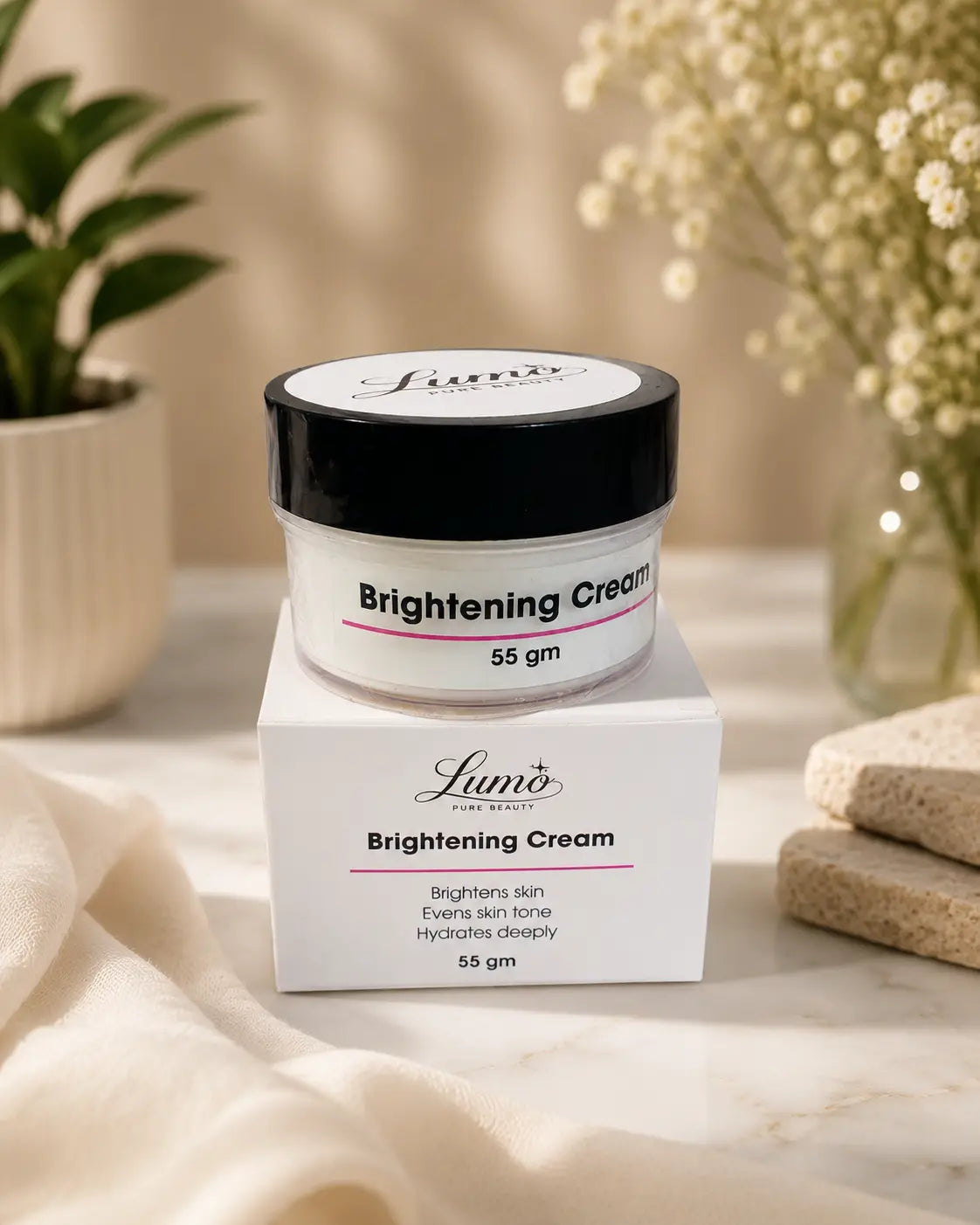
3. Finish With a Brightening Cream
After acne clears, marks and dullness are often left behind. A brightening cream helps even out your skin tone over time and may help reduce the appearance of acne scars.
Explore the Lumo Brightening Cream for daily use after your serum.
Want All Three in One Routine?
The Lumo Acne Skincare Kit gives you the face wash, serum, and cream together — the full 3-step acne routine in one box.
Common Search Questions About Acne in Pakistan
Based on what people in Pakistan are actually searching for:
"Acne cream in Pakistan" — Most acne creams claim quick fixes but can be too harsh for daily use. Look for one made for acne-prone skin that you can use every day without irritation.
"Best face wash for acne" — A face wash alone won't clear acne completely — but it's the first step. It removes oil and dirt before your treatment products can work.
"Salicylic acid vs glycolic acid" — Both help unclog pores and remove dead skin cells. Glycolic acid is gentler for daily use, which is why it's a common pick for everyday face washes.
"Acne or rosacea?" — If your skin is mainly red, sensitive, and flushed rather than clogged with pimples or blackheads, it may be rosacea instead of acne. When in doubt, get it checked by a dermatologist.
"Folliculitis" — This looks like acne but is actually inflamed hair follicles, often from sweat or tight clothing. A gentle, non-drying face wash also helps here.
"Best acne treatments" — There is no overnight fix. Real acne treatment usually means a consistent skin care routine, and for stubborn acne, board-certified dermatologists may recommend antibiotics, hormonal therapy, isotretinoin, or lasers & lights.
How Long Does It Take to Clear Acne?
Be patient. A consistent routine — cleanser, serum, and cream used daily — tends to show results gradually: less oil and fewer new breakouts first, with acne marks and overall skin tone evening out over time with continued use.
Skipping days or switching products too often slows this down.
When to See a Dermatologist
Most breakouts respond well to a consistent skin care routine within a few weeks. But if you're dealing with severe or cystic acne, adult acne that keeps showing up, or acne symptoms that don't improve despite managing acne at home, it's worth booking a visit — knowing when to see a dermatologist can save you time. A dermatologist's tips and prescription-strength acne treatment options can help when over-the-counter products aren't enough.
See a dermatologist sooner if you have painful breakouts, acne scars forming quickly, or acne that affects your self-confidence.
FAQs
Q: What's the difference between acne and pimples? A: Pimples are one type of acne. Acne is the general term for clogged pores, which can show up as pimples, blackheads, whiteheads, or deeper bumps.
Q: Can I use a face wash and serum together? A: Yes. Wash first, then apply serum on clean, dry skin. This is the most effective order.
Q: Is acne cream better than acne face wash? A: They do different jobs. Face wash cleans your pores. Cream/serum treats and helps heal the skin. You need both for real results.
Q: Does acne go away on its own? A: Mild acne can fade on its own, but marks and scars often stay unless treated. A consistent routine speeds up healing and helps prevent new breakouts.
Q: Can men use these products too? A: Yes. Acne and oily skin routines work the same for men and women. All Lumo products are unisex.
Q: Is this safe for sensitive or dry skin? A: Yes, but start with once-daily use if your skin is sensitive, and always follow with a moisturizer.
Related Guides
- Best Face Wash for Pimples in Pakistan
- Why Does My Acne Get Worse in Humid Weather?
- Glycolic Acid vs Salicylic Acid for Acne
- How to Stop Acne Scars Before They Form
Shop the full routine: Face Wash • Serum • Brightening Cream • Complete Kit
Visit the Lumo Beauty homepage to see the full range.