Why You Get Dark Spots (And How to Actually Fade Them)
What's really causing those marks — and what to do about it
Dark spots and skin pigmentation are two of the most common skin concerns in Pakistan. If you're dealing with a dark spot on face, dark spots on the face, hands, uneven tone, or marks that won't fade, this guide breaks it down simply.
Whether you call it a dark spot or pigmentation, it's the same problem — and the fix is the same too.
What Is Pigmentation?
Pigmentation means patches of skin that are darker than the rest of your face. This can show up as:
- Dark spots left behind after acne (acne pigmentation)
- Post-inflammatory hyperpigmentation
- Uneven skin tone
- Brown or grey patches (melasma)
- Sun spots
- Old scars that never fully faded
People often ask what pigmentation means; in simple terms, it just means dark, uneven patches on your skin caused by extra melanin (melanin production) building up in one area.
What Causes Pigmentation?
Common pigmentation causes in Pakistan include:
- Sun exposure — strong UV rays trigger extra melanin production
- Acne — inflammation from pimples leaves dark marks behind
- Hormones — pregnancy, birth control, or hormonal changes (this is what causes melasma)
- Skipping sunscreen — the #1 reason dark spots don't fade, even with treatment
- Picking at pimples — this almost always leaves a darker mark than the pimple itself
- Skin irritation from harsh products or over-scrubbing, which can make marks linger longer
How to Remove Dark Spots: Step by Step
There's no overnight fix, but a consistent routine makes a real difference.
1. Start With a Gentle Acne Face Wash
If your dark spots come from acne, treating new breakouts stops new marks from forming in the first place. Gentle cleansing also helps avoid skin irritation that can worsen pigmentation.
Try the Lumo Anti-Acne Vitamin C Face Wash to keep pores clear and prevent new marks.
2. Use a Dark Spot Serum to Fade Existing Marks
A good dark spot serum (sometimes searched as dark spot correcting serum) works on active marks, using ingredients like Vitamin C to brighten and even out tone. This is usually the fastest-working step in a pigmentation routine.
Try the Lumo Anti-Acne Vitamin C Serum — helps fade acne marks and dark spots with regular use.
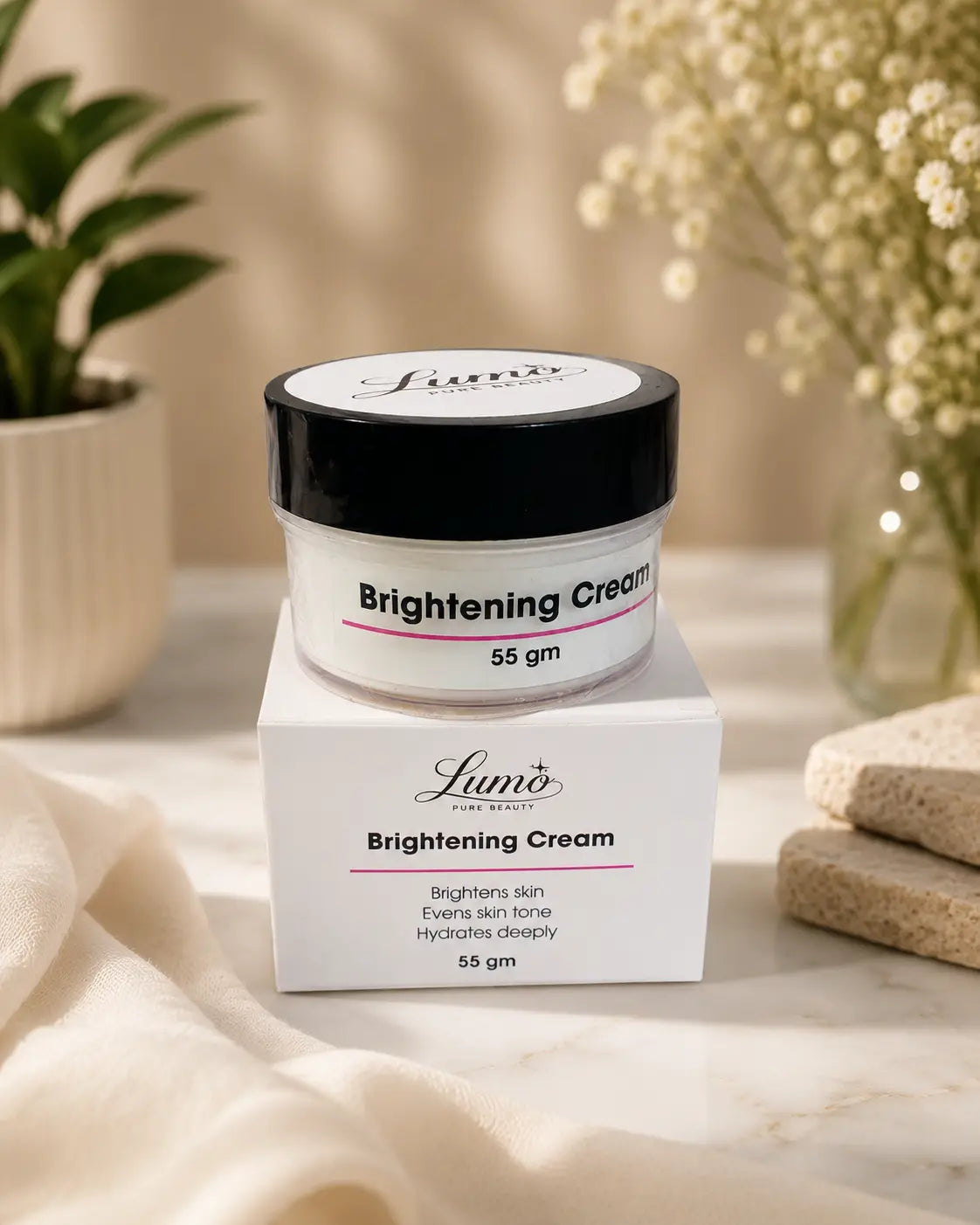
3. Follow With a Dark Spot Cream
A dark spot cream (also called a pigmentation cream or dark spot corrector) locks in results and works on deeper, more stubborn patches over time. Look for Alpha-Arbutin, Niacinamide, and Glutathione — ingredients known to target uneven tone.
Try the Lumo Brightening Cream — formulated with these exact ingredients to even out skin tone and reduce dark spots.
Want the Full Routine in One Box?
👉 The Lumo Acne Skincare Kit includes the face wash, serum, and brightening cream together.
Natural Remedies and Gentle Exfoliation for Dark Spots
If you prefer a slower, simpler approach, some natural remedies and gentle exfoliation can support your routine. The key is to be careful — harsh scrubs can irritate skin and make post-inflammatory hyperpigmentation worse.
Always patch test any new DIY ingredient or brightening product, especially if your skin is sensitive. Avoid anything that stings, burns, or leaves your skin red.
For most people, the safest “natural” step is consistency: gentle cleansing, daily sunscreen, and a brightening serum rather than aggressive home treatments.
Common Questions About Dark Spots in Pakistan
"Dark spot corrector" / "dark spot remover" — These terms mean the same thing as a dark spot cream or serum. Look for one with brightening actives (Vitamin C, Niacinamide, Alpha-Arbutin) rather than harsh bleaching agents, which can damage skin over time.
"Best cream for pigmentation" — Same idea as above. The most effective creams combine 2-3 brightening ingredients rather than relying on just one.
"Hyperpigmentation" — This is just the medical term for pigmentation. It means the same thing: darker patches from extra melanin.
"Acne pigmentation" — This is the dark mark left behind after a pimple heals. It's not a scar — it usually fades faster than a true scar with the right products.
"Pigmentation treatment" — The most effective approach combines three things: gentle cleansing, a targeted serum, and daily sunscreen. Skipping any one of these slows down results.
"Melasma" — A specific type of pigmentation, usually triggered by hormones and sun exposure. It often appears as larger patches on the cheeks or forehead and can take longer to fade than acne marks.
"Chemical peels" and "laser treatment" — These are dermatologist-led options for stubborn pigmentation. They may help when home care is not enough, but they should only be considered after proper skin assessment.
Why Pigmentation Takes Time to Fade
Be patient — pigmentation fades gradually with a consistent routine. Expect less redness and slightly lighter marks first, with acne marks and dark spots continuing to fade the longer you stick with it. Deeper pigmentation, like melasma, takes longer to visibly even out.
Using sunscreen every single day is what makes or breaks these results — without it, new pigmentation can form as fast as the old marks fade.
When to See a Dermatologist
If your dark spots are getting darker, spreading, or not improving after a few months of consistent care, it may be time to see a dermatologist. This is especially important if the marks are painful, itchy, or appear with unusual skin changes.
A dermatologist can tell you whether you need stronger topical treatment, chemical peels, or another procedure based on your skin type and the cause of the spots.
FAQs
Q: What's the difference between pigmentation and a scar? A: Pigmentation is a flat dark mark caused by extra melanin. A scar changes the texture of your skin (raised or indented). Pigmentation is usually easier and faster to fade.
Q: Can pigmentation go away completely? A: Mild pigmentation from acne often fades fully with consistent care. Deeper pigmentation like melasma can improve significantly but may take longer and need ongoing maintenance.
Q: Do I need sunscreen even if I'm using a brightening cream? A: Yes — always. Sunscreen prevents new pigmentation from forming while your treatment works on the old marks.
Q: Can I use the serum and brightening cream together? A: Yes. Apply the serum first on clean skin, let it absorb, then follow with the brightening cream.
Q: Is this safe for sensitive skin? A: Yes, but start with once-daily use if your skin is sensitive, and always patch test first.
Q: How is pigmentation different from acne? A: Acne is the breakout itself (pimples, blackheads). Pigmentation is often what's left behind after acne heals — the two are connected but not the same thing.
Related Guides
- How to Fade Acne Marks Fast
- Alpha-Arbutin vs Niacinamide: Which Fades Spots Faster?
- Sun Spots vs Acne Marks: How to Tell Them Apart
- Does Vitamin C Really Fade Dark Spots?
Shop the full routine: Face Wash • Serum • Brightening Cream • Complete Kit
Visit the Lumo Beauty homepage to see the full range.